What Addiction Education Can Reveal: Understanding the Signs Before They Become a Crisis

Addiction does not always begin with an obvious crisis. Sometimes, it develops through small changes that are easy to dismiss, such as drinking more often to manage stress, relying on substances to sleep, or repeatedly promising to cut back without success. Understanding these warning signs can help individuals and families recognize when substance use is becoming harmful and when professional support may be needed. Books, articles, and reliable mental health resources play an important role in this process by explaining how addiction develops, how it affects daily life, and what treatment options are available. With accurate information, people can take concerns seriously before the consequences become more severe.

Addiction education is not about labelling people or making assumptions about their lives. It is about replacing confusion with knowledge, challenging common myths, and helping people make informed decisions. For anyone concerned about their own substance use or the well-being of someone they love, learning the facts can be a valuable first step toward recovery.

Why Addiction Education Matters

Many people misunderstand addiction because they associate it only with severe substance use, visible health problems, or major life disruptions. In reality, addiction can affect people from different backgrounds and circumstances. Someone may continue working, caring for family members, and maintaining relationships while privately struggling to control their substance use.

Reliable addiction education explains that substance use disorders are complex health conditions influenced by biological, psychological, and social factors. Stress, trauma, genetics, mental health concerns, and a person’s environment can all contribute to risk.

Challenging Common Myths About Addiction

One common misconception is that people can stop using substances whenever they decide to try harder. Although personal choices matter, addiction can involve cravings, changes in behaviour, and physical dependence that make stopping difficult without appropriate support.

Another misconception is that someone must lose everything before treatment becomes necessary. In fact, recognizing a problem early may create an opportunity to address it before it causes more serious harm.

Books and articles can help readers understand these realities without relying on stereotypes. They can also encourage individuals to view treatment as a practical response to a health concern rather than a punishment or personal failure.

Recognizing the Early Warning Signs of Addiction

Addiction education helps people identify changes that may indicate a developing problem. These changes are not always dramatic. They may appear gradually across different areas of life.

Look for Changes in Behaviour and Daily Responsibilities

Warning signs may include:

  • Drinking alcohol or using drugs more frequently than intended.
  • Repeatedly trying to cut back without lasting success.
  • Experiencing strong cravings or spending considerable time thinking about substances.
  • Using alcohol or drugs to cope with stress, anxiety, sadness, or loneliness.
  • Neglecting work, education, relationships, or personal responsibilities.
  • Continuing substance use despite physical health problems or family conflict.
  • Experiencing withdrawal symptoms when reducing or stopping use.

A single sign does not automatically mean someone has an addiction. However, repeated patterns deserve attention, especially when substance use begins to interfere with health, relationships, or everyday responsibilities.

Educational resources can help readers reflect on these patterns and prepare questions for a healthcare professional. A qualified provider can assess the situation and determine whether further evaluation or treatment is appropriate.

Why Waiting for a Crisis Can Make Things Harder

People may delay seeking help because they believe the problem is not serious enough. Others fear being judged, worry about the cost of treatment, or feel uncertain about what recovery involves.

Unfortunately, waiting can allow harmful patterns to become more established. Substance use may begin affecting physical health, finances, relationships, and emotional stability. Early conversations with a healthcare professional can help clarify the risks and identify appropriate options.

If someone may be physically dependent on alcohol or certain drugs, medical guidance is especially important. Withdrawal can sometimes cause serious or life-threatening complications, so attempting to stop without appropriate advice may be dangerous.

Understanding the Connection Between Addiction and Mental Health

Addiction and mental health concerns frequently overlap. Some people use substances to manage difficult emotions or temporarily escape anxiety, depression, trauma, or ongoing stress. Over time, substance use can worsen these concerns and make everyday challenges harder to manage.

Mental health literature helps readers understand why recovery may require attention to more than substance use alone.

Recognizing Co-Occurring Mental Health Concerns

Consider someone who regularly drinks alcohol to manage anxiety. Although drinking may seem to provide short-term relief, it can interfere with sleep, affect mood, and contribute to a cycle in which anxiety and alcohol use reinforce one another.

Similarly, someone experiencing depression may turn to substances to feel better temporarily. Without appropriate support, the underlying emotional difficulties may remain unresolved.

Reading about co-occurring mental health conditions can help individuals understand these patterns and learn about treatment approaches that address both concerns. However, educational articles cannot determine the cause of a person’s symptoms. A professional assessment is important for identifying appropriate care.

How Books and Articles Help Families Recognize Addiction

Family members are often among the first to notice changes in a loved one’s behaviour. They may see increased secrecy, broken commitments, financial difficulties, or repeated arguments related to substance use. Yet recognizing these changes does not always make it easy to know what to do.

Reliable addiction resources can help families understand what they are seeing and consider more effective ways to respond.

Communicating Concerns Without Blame

Accusations and arguments can make conversations about addiction more difficult. Family education can help loved ones focus on specific behaviours, express their concerns clearly, and encourage professional support.

For example, instead of calling someone irresponsible, a family member might explain that they are worried about missed responsibilities or changes in drinking habits. They can then suggest speaking with a healthcare professional to explore what is happening.

It is equally important to establish healthy boundaries. Supporting someone does not mean covering up harmful behaviour, providing money that may be used to purchase substances, or ignoring safety concerns.

Families may also benefit from counselling or support groups. These resources can help them manage stress, communicate more effectively, and protect their own well-being while a loved one considers treatment.

Learning About Addiction Treatment Before Help Is Needed

One reason people avoid treatment is that they do not know what to expect. Reading about addiction recovery can make the process less intimidating by explaining the different forms of support that may be available.

Understanding Inpatient and Outpatient Care

Inpatient rehabilitation provides a structured environment where individuals can focus on recovery while receiving ongoing support. It may be appropriate for people who need a higher level of supervision, a stable setting, or assistance with complex treatment needs.

Outpatient care allows eligible individuals to attend scheduled appointments while continuing to live at home. Depending on the programme, services may include individual counselling, group therapy, and recovery planning.

Medical detox may be necessary when withdrawal presents health risks. The appropriate level of care depends on a person’s substance use history, physical health, mental health needs, and available support.

Reading about these options helps individuals prepare questions for treatment providers. However, a qualified professional should help determine which approach is suitable for each person.

Exploring Individualized and Holistic Recovery

Recovery involves more than stopping substance use. It can also include improving emotional health, developing healthier routines, managing stress, and rebuilding relationships.

Depending on a person’s needs and available services, treatment may incorporate counselling, art therapy, equine therapy, healthy lifestyle education, physical activity, or other supportive approaches. Some individuals may also value spiritual or faith-based support as part of their recovery.

An individualized treatment plan considers the person’s circumstances, goals, preferences, and clinical needs. Books and articles can introduce different approaches, helping people identify questions and discuss their options with qualified professionals.

Choosing Reliable Addiction and Mental Health Resources

Not every website, book, or social media post provides accurate health information. Some sources promote unproven remedies, promise quick results, or suggest that professional treatment is unnecessary.

Before relying on a resource, consider whether it meets the following standards:

  • Qualified authorship: The content comes from recognized health professionals, established treatment organizations, or reputable educational sources.
  • Credible evidence: Claims are explained clearly and supported by reliable research where appropriate.
  • Realistic expectations: The resource recognizes that recovery takes time and that different people need different forms of support.
  • Respect for individual needs: It avoids presenting one treatment method as the answer for everyone.
  • Appropriate guidance: It encourages professional assessment and medical care when necessary.

Personal recovery stories can also be helpful because they show how addiction affects real lives. However, one person’s experience should not be treated as a universal guide. Combining personal perspectives with evidence-informed education gives readers a more balanced understanding.

Turning Addiction Education Into Practical Action

Learning about addiction is valuable, but knowledge becomes most useful when it helps someone make a decision.

Start by identifying the concern that matters most. If you are worried about your own substance use, learn about warning signs and available treatment options. If a loved one’s behaviour concerns you, explore resources about family support and communication. If emotional distress is contributing to substance use, consider learning about mental health assessment and counselling.

As you read, write down questions you would like to discuss with a professional. You might ask whether an assessment is appropriate, what treatment options are available, or how mental health concerns can be addressed alongside addiction.

You do not need to understand every aspect of recovery before reaching out. A conversation with a qualified healthcare provider can help you identify the next step based on your circumstances.

If someone is experiencing an overdose, severe withdrawal symptoms, or an immediate risk of harm, seek emergency medical assistance rather than relying on reading materials for guidance.

Conclusion: Recognize the Signs and Take the Next Step

Addiction education can help people recognize warning signs, understand the connection between substance use and mental health, and challenge myths that prevent individuals from seeking treatment. Books and articles provide useful information for people who are concerned about their own behaviour, as well as families trying to support someone they love.

Most importantly, understanding addiction can encourage action before a difficult situation becomes a crisis. Reliable information can help people ask better questions, explore treatment options, and approach recovery with realistic expectations.

If you recognize concerning patterns in your own life or someone else’s, consider speaking with a qualified healthcare professional or addiction treatment provider. You do not have to wait until the consequences become overwhelming. Learning the facts, taking your concerns seriously, and asking for help can be the beginning of a healthier path forward.

Understanding Before Healing: How Books and Articles Can Help People Take Addiction Seriously

Addiction can affect a person’s health, relationships, confidence, and ability to manage everyday life long before the problem becomes obvious to others. Yet many people struggle to recognize when substance use has become harmful. They may minimize repeated warning signs, believe they should be able to stop on their own, or feel ashamed to admit they need help. Books and articles about addiction and mental health can challenge these assumptions by explaining what addiction looks like, why it develops, and how professional treatment can help. With accurate information, individuals and families can move beyond uncertainty and make more informed decisions about recovery.

Understanding addiction does not mean judging someone for their struggles. Instead, it means recognizing the seriousness of the problem and learning what can be done about it. Reliable reading materials offer a practical starting point for people who want to understand their experiences, support a loved one, or explore treatment options.

Why People Sometimes Underestimate Addiction

Addiction does not always look the way people expect. Some individuals continue to work, care for their families, and meet their responsibilities while privately struggling with alcohol or drug use. Others may experience visible consequences but convince themselves that the situation is temporary.

Social attitudes can make these difficulties harder to acknowledge. If addiction is viewed only as a lack of discipline, someone experiencing it may feel too embarrassed to discuss what is happening. They might hide their substance use, make repeated promises to stop, or wait until a serious consequence forces them to reconsider.

Books and Articles Can Challenge Harmful Assumptions

Educational resources help explain that addiction is a complex health condition influenced by multiple factors. These may include genetics, repeated substance exposure, stress, trauma, emotional difficulties, and a person’s environment.

Reading can also correct common misunderstandings, such as the belief that someone must lose everything before they need treatment. In reality, a person can benefit from professional support while maintaining employment, relationships, and other responsibilities.

This information matters because recognizing addiction earlier may create more opportunities to address its effects. It can also help people understand that asking for help is a constructive response to a health concern, not a sign of weakness.

Recognizing When Substance Use Has Become a Problem

One of the most practical benefits of addiction literature is its ability to help readers identify patterns that deserve attention. A single incident may not tell the whole story. Repeated behaviours and their effects on daily life often provide a clearer picture.

Warning Signs Worth Taking Seriously

Books, articles, and reputable health resources can help readers recognize concerns such as:

  • Drinking alcohol or using drugs more frequently than intended.
  • Finding it difficult to reduce substance use despite repeated attempts.
  • Spending significant time obtaining, using, or recovering from substances.
  • Experiencing cravings that interfere with everyday activities.
  • Neglecting family relationships, work, education, or personal health.
  • Continuing substance use despite physical, emotional, financial, or social consequences.
  • Using substances to cope with stress, sadness, anxiety, or difficult memories.

These warning signs do not establish a diagnosis on their own. However, they can indicate that it is time to speak with a healthcare professional.

Reading about these patterns may also help someone prepare for an honest conversation. Instead of saying, “I think I have a problem,” they might describe specific changes they have noticed and explain how those changes affect their life. That added clarity can make it easier to seek an appropriate assessment.

Understanding the Link Between Addiction and Mental Health

Substance use often intersects with emotional and psychological well-being. Some people use alcohol or drugs to cope with anxiety, depression, trauma, loneliness, or persistent stress. Although substances may seem to provide temporary relief, they can eventually worsen emotional symptoms and create additional difficulties.

Mental health literature can help readers understand why addiction sometimes requires more than addressing substance use alone.

Learning About Co-Occurring Concerns

A person experiencing depression alongside alcohol misuse, for example, may need support for both concerns. Someone dealing with unresolved trauma may benefit from appropriate mental health treatment as part of a broader recovery plan.

Reading about co-occurring disorders can explain why a professional assessment considers a person’s emotional health, physical condition, substance use history, and circumstances. It can also help individuals recognize that symptoms should not automatically be attributed to addiction without further evaluation.

This knowledge encourages a more complete approach to care. Rather than focusing only on stopping a behaviour, individuals can explore the factors contributing to their difficulties and learn healthier ways to manage them.

How Reading Helps Families Take Addiction Seriously

Families often recognize changes in a loved one’s behaviour before that person acknowledges a problem. They may notice broken promises, increasing secrecy, financial concerns, or repeated arguments. However, understanding what these changes mean and deciding how to respond can be difficult.

Addiction education gives families a clearer foundation for making decisions.

Communicating Concerns Without Increasing Shame

Books and articles can help relatives understand why blaming or humiliating someone rarely creates a productive starting point for treatment. They can learn to describe specific concerns, listen carefully, and encourage professional support without turning every conversation into an argument.

For example, a family member might explain that they are worried about missed commitments and changes in drinking habits. They can then suggest contacting a healthcare professional to discuss what is happening.

At the same time, understanding addiction does not require families to accept unsafe or harmful behaviour. Setting boundaries, seeking family counselling, and protecting personal well-being are all important considerations.

Educational resources can introduce these principles, but families facing complicated or unsafe situations may need individualized guidance from qualified professionals.

Learning What Professional Addiction Treatment Involves

Fear of the unknown can prevent people from seeking help. They may wonder whether treatment requires leaving home, how long it lasts, or whether they will have a say in their care.

Reliable addiction literature can answer some of these questions and help people prepare for conversations with treatment providers.

Understanding Different Levels of Care

Treatment options vary according to a person’s needs and the services available.

Inpatient rehabilitation provides a structured living environment where individuals can focus on recovery and receive ongoing support. It may be appropriate for people who need close supervision, a stable setting, or help addressing complex concerns.

Outpatient treatment allows eligible individuals to attend scheduled appointments while living at home. Depending on the programme, care may include individual counselling, group sessions, and relapse prevention planning.

Medical detox may be necessary when withdrawal symptoms create health risks. Alcohol and certain drugs can cause serious or potentially life-threatening withdrawal complications. Anyone who may be physically dependent should seek medical advice before attempting to stop.

Reading about treatment options helps people understand what to ask, but a qualified professional should assess which level of care is appropriate.

Exploring Individualized and Holistic Support

Recovery involves more than stopping substance use. It can also require developing healthier routines, improving stress management, rebuilding relationships, and addressing emotional needs.

Depending on the individual and available services, a recovery plan may include counselling, art therapy, equine therapy, physical activity, healthy lifestyle education, or other supportive approaches. Spiritual or faith-based support may also be meaningful for people who want it as part of their recovery.

Books and articles can introduce these possibilities and help readers identify their preferences. An individualized treatment plan should account for the person’s health, goals, circumstances, and values while ensuring that necessary clinical care remains a priority.

Choosing Addiction and Mental Health Information You Can Trust

Not every online article or personal account provides reliable advice. Some sources promote unproven treatments, promise immediate results, or suggest that professional care is unnecessary. Others present one person’s experience as though it applies to everyone.

Readers should evaluate information carefully before using it to make health decisions.

What Makes a Resource Reliable?

Look for materials that meet several important standards:

  • Qualified authorship: The information comes from recognized health professionals, reputable organizations, or established educational sources.
  • Evidence-informed content: Claims are explained clearly and supported by credible research where appropriate.
  • Realistic expectations: The resource recognizes that recovery takes different forms and that progress may require ongoing support.
  • Respect for individual needs: It acknowledges that people may need different treatments depending on their circumstances.
  • Appropriate guidance: It encourages professional assessment when symptoms or substance use raise concerns.

Personal recovery stories can also be valuable. They may help readers understand the emotional experience of addiction and the practical work involved in rebuilding daily life. However, these stories are best used alongside reliable health information, not as a replacement for professional advice.

Turning Understanding Into a First Step Toward Recovery

Reading about addiction is useful when it helps someone decide what to do next. Rather than trying to learn everything at once, start with the question that matters most.

If you are worried about your substance use, consider learning about warning signs and available treatment options. If mental health symptoms are affecting your daily life, look for information about assessment and counselling. If you are concerned about a loved one, explore resources about family support, communication, and appropriate boundaries.

As you read, write down questions that you would like to discuss with a healthcare professional. You might ask whether an assessment is appropriate, what treatment options are available, or how mental health concerns can be addressed alongside addiction.

Most importantly, do not wait until a crisis occurs before seeking advice. If withdrawal may be dangerous, obtain medical guidance. If someone is experiencing an overdose, severe symptoms, or an immediate risk of harm, seek emergency assistance.

Conclusion: Understanding Addiction Can Open the Door to Healing

Books and articles can help people take addiction seriously by explaining warning signs, challenging harmful myths, and showing how mental health and substance use can affect one another. They can also help families respond more effectively and prepare individuals for conversations about professional treatment.

However, information is only part of the process. Recovery may require medical care, counselling, structured treatment, ongoing support, and an approach tailored to individual needs.

If you recognize concerning patterns in your own life or are worried about someone close to you, consider reaching out to a qualified healthcare professional or addiction treatment provider. You do not need to wait until the consequences become overwhelming. Learning what addiction involves is a meaningful beginning, and asking for help can turn that understanding into practical action toward a healthier future.

What Can Reading Teach Us About Recovery? Exploring the Value of Addiction and Mental Health Literature

Recovery from addiction involves more than changing behaviour. It often requires understanding the emotions, experiences, and circumstances that contribute to substance use, while learning healthier ways to respond to life’s challenges. Addiction and mental health literature can help make this process easier to understand. Through educational articles, professional guidance, research, and personal recovery stories, readers can discover why addiction develops, how mental health affects well-being, and what effective treatment may involve. Although reading cannot replace professional care, it can provide valuable knowledge that helps individuals and families make informed decisions about recovery.
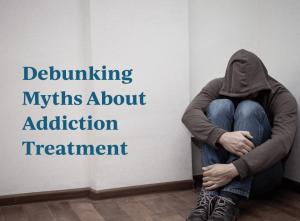
For someone who feels overwhelmed by addiction, finding reliable information can be an important first step. For families trying to support a loved one, it can offer a clearer understanding of what that person may be experiencing. In both situations, reading can turn uncertainty into useful questions and help people recognize that recovery is possible with appropriate support.

How Addiction Literature Helps People Understand Recovery

Addiction can be difficult to understand, especially when substance use continues despite negative consequences. Individuals may question their own decisions, while family members may struggle to understand why a loved one finds it difficult to stop.

Reliable addiction literature explains that substance use disorders involve complex changes in behaviour, motivation, and the brain’s reward systems. Genetics, stress, trauma, mental health concerns, social circumstances, and repeated substance exposure can all influence a person’s risk.

Learning Beyond Common Misconceptions

One of the most valuable lessons reading can offer is that addiction is not simply a matter of willpower. Personal responsibility remains important, but shame and blame rarely provide the skills or support needed to address a substance use disorder.

Educational resources can help readers recognize that people experience addiction differently. Some may hide their substance use for years, while others may experience rapid changes in their relationships, work, or physical health. Understanding these differences encourages a more informed response and helps people focus on practical solutions.

For individuals experiencing addiction, this knowledge may make it easier to discuss their concerns openly. For loved ones, it can replace assumptions with a more constructive understanding of the challenges involved.

Reading Can Help People Recognize the Need for Treatment

Many individuals delay seeking help because they are unsure whether their situation is serious enough to require treatment. They may believe they must reach a crisis before speaking with a professional. In reality, recognizing a problem early can create more opportunities to address it before the consequences become more severe.

Addiction and mental health literature can explain warning signs and encourage readers to look at patterns rather than isolated incidents.

Recognizing Patterns in Everyday Life

Useful resources may help readers identify concerns such as:

  • Increasing the amount or frequency of alcohol or drug use.
  • Making repeated attempts to reduce substance use without lasting success.
  • Using substances to manage stress, loneliness, anxiety, or sadness.
  • Neglecting work, education, relationships, or personal responsibilities.
  • Continuing to use substances despite health problems or other harmful consequences.
  • Experiencing withdrawal symptoms or strong cravings when attempting to stop.

These signs do not replace a professional assessment, and they do not automatically establish a diagnosis. However, they can help someone recognize when it is time to seek advice from a qualified healthcare provider.

Reading can also help people prepare for that conversation. Writing down concerns, questions, and changes in behaviour may make it easier to explain what is happening and identify the support needed.

Understanding the Connection Between Addiction and Mental Health

Addiction and mental health concerns often influence one another. Some people turn to alcohol or other substances in an attempt to manage anxiety, depression, traumatic experiences, or persistent emotional distress. Others develop mental health symptoms that become more difficult to manage as substance use continues.

Literature about co-occurring disorders can explain why recovery sometimes requires attention to both substance use and mental health.

Why Treating the Whole Person Matters

A person struggling with alcohol use and depression, for example, may need support that addresses both concerns. Focusing exclusively on alcohol use could leave important emotional difficulties unresolved. Similarly, untreated anxiety or trauma may create challenges for someone trying to maintain recovery.

Reading about these connections can help individuals ask more informed questions about treatment. They may learn about counselling, psychiatric assessment, behavioural therapies, medical support, and other approaches that can form part of an individualized care plan.

It is important to remember that similar symptoms can have different causes. Books and online articles can provide general education, but qualified professionals are best placed to assess personal circumstances and recommend appropriate care.

What Recovery Stories Can Teach Us About Change

Research and clinical information explain many aspects of addiction, but personal stories offer another kind of insight. Memoirs, interviews, and recovery narratives can show what it feels like to acknowledge a problem, ask for help, rebuild trust, and develop healthier routines.

These accounts can be particularly meaningful for people who feel isolated or believe their circumstances are beyond improvement.

Finding Connection Without Comparing Experiences

Reading about another person’s recovery may help someone recognize familiar emotions, such as guilt, fear, frustration, or uncertainty about the future. It can also demonstrate that progress is possible even after difficult setbacks.

However, recovery stories should be viewed as individual experiences rather than universal instructions. One person’s approach may not be suitable for someone with different medical needs, mental health concerns, or family circumstances.

Instead of comparing progress, readers can focus on useful lessons. Perhaps a story highlights the importance of asking for help early, building a reliable support network, attending counselling consistently, or learning to manage triggers.

These insights can encourage reflection without creating unrealistic expectations about how quickly recovery should happen.

How Reading Can Help Families Support a Loved One

Addiction affects families in different ways. Loved ones may experience fear, anger, exhaustion, or confusion about how to respond. They may want to help but worry about saying the wrong thing or making the situation worse.

Books and educational articles can help families understand addiction as a health concern and explore more constructive ways to communicate.

Learning the Difference Between Support and Enabling

Supportive behaviour can include listening without judgment, encouraging professional treatment, helping someone find credible resources, and establishing clear boundaries. Enabling, by contrast, may involve repeatedly covering up harmful behaviour or protecting someone from every consequence of substance use.

The distinction is not always straightforward. Each family’s circumstances are different, and safety must remain a priority. Family counselling or guidance from an addiction professional can help loved ones decide how to respond appropriately.

Reading can prepare families for these conversations by introducing practical communication strategies and explaining why guilt, threats, or shame may make it harder to discuss treatment openly.

It can also remind family members that their own well-being matters. They may need counselling, peer support, or time to rebuild their own routines while a loved one receives care.

Exploring Different Approaches to Addiction Treatment

Addiction literature can make treatment less intimidating by explaining the services and approaches that may be available. When people understand what to expect, they can make better use of conversations with healthcare professionals.

Learning About Inpatient and Outpatient Care

Inpatient rehabilitation provides a structured environment where individuals can receive ongoing support while focusing on recovery. It may be appropriate for people who need a higher level of supervision, a stable setting, or support with complex needs.

Outpatient treatment allows eligible individuals to attend scheduled services while continuing to live at home. Depending on the programme, services may include individual counselling, group therapy, and recovery planning.

Medical detox may be needed when withdrawal creates health risks. Since alcohol and certain drugs can cause dangerous withdrawal symptoms, individuals should seek medical guidance before stopping after prolonged or heavy use.

Reading about these options helps people understand the questions they may want to ask. However, the appropriate level of care should be determined through an individual assessment rather than selected solely from an article.

Understanding Holistic and Individualized Recovery

Recovery also involves building a life that supports physical, emotional, and social well-being. Depending on personal needs and treatment availability, a recovery plan may include stress management, exercise, healthy nutrition, creative activities, mindfulness, and relationship counselling.

Some individuals also value spiritual reflection or faith-based support as part of their recovery. These approaches may provide meaning, connection, and encouragement when they align with a person’s beliefs and preferences.

The purpose of individualized treatment is to recognize that no single method works for everyone. Reading can introduce different possibilities, while a qualified treatment team can help determine which options are appropriate.

How to Make Addiction and Mental Health Reading More Useful

Reading is most effective when it supports real decisions instead of becoming a substitute for action. A focused approach can help individuals apply what they learn to their own circumstances.

Choose Resources That Answer Your Current Questions

Begin with the concern that matters most. Someone worried about their drinking may want to learn about alcohol use disorder and treatment options. A person experiencing persistent anxiety may look for information about mental health assessment and counselling. A family member may need guidance on setting boundaries and discussing treatment.

Look for materials from qualified health professionals, established treatment organizations, recognized educational institutions, and reputable public health sources. Be cautious of content that promises guaranteed recovery, recommends unproven cures, or discourages appropriate medical care.

Turn What You Learn Into a Practical Step

After reading, consider asking yourself three questions:

  1. What new information have I learned about addiction or mental health?
  2. Does this information raise concerns that I should discuss with a professional?
  3. What is one realistic action I can take next?

That action might involve arranging an assessment, speaking with a trusted person, contacting a treatment provider, or discussing a concern with an existing counsellor.

If reading brings up difficult emotions, take time to process what you have learned. You do not need to resolve every concern at once. A steady approach, supported by appropriate professional guidance, can make the process more manageable.

Conclusion: Let Knowledge Become the Beginning of Recovery

Reading can teach us that addiction is complex, mental health deserves attention, and recovery often requires more than willpower alone. Reliable addiction and mental health literature helps people recognize warning signs, understand treatment options, learn from others, and support loved ones with greater awareness.

Most importantly, knowledge can help people move from uncertainty toward informed action. A book or article may provide the explanation someone has been searching for, but lasting progress often requires professional guidance, consistent support, and a treatment plan built around individual needs.

If you or someone you care about is struggling with addiction or mental health concerns, consider speaking with a qualified healthcare or treatment professional. You do not have to understand every aspect of recovery before asking for help. Start with a question, seek trustworthy information, and take the next step toward a healthier future.

The Right Information at the Right Time: Why Addiction and Mental Health Resources Matter

Finding reliable information about addiction and mental health can make an important difference when someone is struggling to understand what they are experiencing or how to seek help. Books, articles, educational resources, and recovery stories can explain the signs of addiction, clarify treatment options, and help individuals and families make informed decisions. Although reading cannot replace professional care, the right information at the right time can reduce uncertainty, challenge harmful assumptions, and make the first step toward recovery feel more manageable.

Addiction and mental health challenges often develop alongside stress, emotional pain, relationship difficulties, or changes in daily behaviour. People may recognize that something is wrong without knowing how serious the situation has become. Others may understand the problem but feel uncertain about what to do next. Reliable addiction and mental health resources provide a starting point for understanding these experiences and exploring practical ways to move forward.

Why Reliable Addiction and Mental Health Information Matters

When people have questions about substance use, anxiety, depression, or other mental health concerns, they may turn to online searches, social media, books, or personal advice. However, not every source provides accurate or complete information. Misleading claims can increase fear, encourage harmful choices, or create unrealistic expectations about recovery.

Reliable educational resources help readers understand that addiction is a complex health concern rather than simply a lack of willpower. They can explain how substance use affects behaviour, relationships, physical health, and emotional well-being. They can also show why professional assessment may be important when substance use becomes difficult to control.

Knowledge Can Help People Recognize Warning Signs

Many people do not immediately recognize the signs of addiction or a developing mental health concern. They may dismiss repeated problems as temporary stress or believe they can regain control without assistance.

Educational materials can help readers identify patterns such as:

  • Using alcohol or other substances to cope with difficult emotions.
  • Repeatedly trying to reduce substance use without lasting success.
  • Neglecting work, family responsibilities, or personal health.
  • Experiencing changes in sleep, mood, motivation, or concentration.
  • Continuing harmful behaviours despite serious consequences.
  • Withdrawing from friends and family or losing interest in usual activities.

Recognizing these signs does not automatically establish a diagnosis. Instead, it can help someone decide when to speak with a qualified health professional and explain their concerns more clearly.

The Right Information Can Make Seeking Help Less Intimidating

One reason people delay addiction treatment is uncertainty. They may not know what happens during an assessment, whether medical detox is necessary, or how treatment will affect their everyday responsibilities. Some worry about being judged, while others fear losing control over their own decisions.

Clear information can address these concerns before they become barriers to care.

Learn What to Expect From an Assessment

A professional assessment helps identify a person’s substance use history, physical health needs, emotional concerns, and recovery goals. Depending on the situation, a clinician may also explore trauma, anxiety, depression, or other factors that could affect treatment.

Reading about the assessment process can help people prepare questions and understand why honest communication matters. It may also help them recognize that treatment planning should account for individual circumstances rather than rely on a single approach for everyone.

Understand Different Levels of Addiction Treatment

Addiction treatment can involve several levels of care. The appropriate option depends on factors such as substance use patterns, withdrawal risks, medical needs, mental health concerns, and available support at home.

For example, medical detox may be necessary for people at risk of dangerous withdrawal symptoms. Inpatient rehabilitation offers a structured living environment with ongoing support. Outpatient programmes may allow eligible individuals to attend treatment while continuing to live at home. Continuing care and relapse prevention support people as they work to maintain progress.

Learning about these options helps individuals ask informed questions. However, a qualified professional should help determine which level of care is appropriate. Alcohol and certain drug withdrawals can be medically dangerous, so anyone with a risk of severe withdrawal should seek medical guidance rather than attempt to detox alone.

Mental Health Education Helps Explain the Bigger Picture

Addiction and mental health concerns frequently overlap. Some people use substances in an attempt to manage anxiety, depression, traumatic memories, or persistent emotional distress. In other cases, substance use can worsen existing symptoms or contribute to new difficulties.

Understanding this connection is important because treating substance use alone may not address every factor affecting recovery.

Explore Co-Occurring Mental Health Concerns

Reading about co-occurring disorders can help individuals understand why addiction and mental health treatment sometimes need to happen together. For example, a person experiencing depression may need support with both substance use and depressive symptoms. Someone living with unresolved trauma may benefit from appropriate trauma-informed care as part of a broader recovery plan.

Educational resources can introduce these topics and explain common treatment approaches. Still, articles and books should not be used to diagnose oneself or replace an individual assessment. Symptoms can have different causes, and professional guidance helps clarify what type of support may be useful.

Understand the Value of Holistic and Individualized Care

Recovery involves more than stopping substance use. It can also include rebuilding healthy routines, improving relationships, learning to manage stress, and addressing emotional or spiritual concerns.

Holistic approaches may incorporate counselling, physical activity, nutrition, mindfulness, creative therapies, and other supportive practices when appropriate. For people who value spirituality or faith, spiritual reflection or faith-based support may also be meaningful.

Reading about these approaches can help individuals identify questions and preferences they want to discuss with a treatment provider. The goal is not to follow every method described in a book. It is to understand the available options and work with qualified professionals to develop a plan that reflects personal needs, values, and circumstances.

How Addiction Resources Can Help Families and Loved Ones

Addiction affects more than the person experiencing it. Family members, partners, and friends may feel worried, frustrated, confused, or unsure how to respond. They might want to help but struggle to distinguish supportive actions from behaviours that unintentionally allow harmful patterns to continue.

Reliable reading materials can give families a clearer understanding of addiction and the challenges involved in recovery.

Learn How to Offer Support Without Taking Over

Family education can explain why blame, threats, and shame often make difficult conversations harder. It can also encourage relatives to communicate concerns calmly, set appropriate boundaries, and seek guidance when a loved one’s substance use creates safety concerns.

Support does not mean accepting every behaviour or solving every problem for another person. Families can encourage professional treatment while protecting their own emotional well-being. They may also benefit from counselling or support groups designed for people affected by a loved one’s addiction.

Personal stories can offer another source of understanding. Hearing how others have approached treatment, family conflict, and rebuilding trust may help readers feel less alone. However, every family’s circumstances are different, so another person’s experience should provide perspective rather than a universal set of instructions.

Choosing Credible Books, Articles, and Recovery Resources

The value of reading depends partly on the quality of the information. Addiction and mental health topics can attract oversimplified advice, unproven remedies, and claims that promise quick results.

Before relying on a resource, consider the following questions:

  • Who created it? Look for qualified health professionals, established treatment organizations, reputable educational institutions, and recognized public health sources.
  • Does it use credible evidence? Trustworthy resources distinguish research findings from personal opinions and unsupported claims.
  • Is the information current? Treatment recommendations can change as research develops.
  • Does it acknowledge individual differences? Recovery is not identical for everyone, and responsible information recognizes that different people may need different forms of care.
  • Does it encourage appropriate professional help? Be cautious of resources that discourage medical advice, promise guaranteed results, or claim that one product or method can cure every addiction.

It is also useful to balance educational material with lived experiences. Research-based information can explain symptoms and treatment options, while personal stories may provide insight into the emotions and practical challenges of recovery. Together, these perspectives can help readers develop a more complete understanding.

Turning Information Into Meaningful Action

Reading becomes especially valuable when it helps someone make a practical decision. Rather than collecting information without a clear purpose, readers can connect what they learn to one manageable next step.

Create a Personal Learning Plan

Start with the questions that matter most right now. Someone concerned about their drinking might begin by learning about warning signs and the risks of withdrawal. A family member may want to understand how to discuss treatment with a loved one. Someone already receiving care might look for information about coping with stress, maintaining routines, or preventing relapse.

Keep a short list of questions while reading. Note which information is helpful, which claims need further verification, and which concerns should be discussed with a professional. This approach makes learning more focused and reduces the pressure to understand everything at once.

Know When Reading Is Not Enough

Books and articles can increase awareness, but they cannot provide emergency care, conduct a clinical assessment, or create a complete treatment plan. If substance use is becoming difficult to control, mental health symptoms are interfering with everyday life, or withdrawal may be a concern, contacting a qualified health professional is an important next step.

If someone is in immediate danger, has severe withdrawal symptoms, or may harm themselves or another person, seek urgent medical or emergency assistance.

For those already in recovery, reading can continue to support progress. Materials about coping skills, communication, healthy routines, and relapse prevention may reinforce what is learned in counselling or treatment. Discussing useful resources with a treatment team can also help ensure that the information fits current recovery goals.

Conclusion: The Right Knowledge Can Open the Door to Recovery

Access to reliable addiction and mental health resources can help people recognize warning signs, understand treatment options, support loved ones, and approach recovery with greater confidence. The right book or article may answer an important question, challenge a damaging misconception, or encourage someone to seek professional guidance for the first time.

However, information is most useful when it leads to informed decisions and appropriate support. Addiction and mental health challenges deserve careful attention, individualized care, and practical solutions that reflect each person’s needs.

If you or someone you care about is struggling, begin by learning from trustworthy sources, then consider speaking with a qualified treatment professional about the next step. You do not need to have every answer before asking for help. Sometimes, one reliable resource and one honest conversation can be the beginning of meaningful change.

More Than Words: How Reading Can Change the Way We Understand Addiction and Mental Health

A good book or well-written article can do more than provide information. For someone facing addiction or a mental health concern, the right reading material can help put confusing experiences into words, explain why certain patterns develop, and make treatment feel less unfamiliar. It can also help families understand what their loved one is experiencing without relying on myths or judgment. Reading is not a substitute for professional addiction treatment or mental health care, but reliable information can be an important part of recognizing a problem, understanding recovery, and deciding when it is time to seek help.

Why Reading Matters When Addiction Feels Difficult to Understand

Addiction can be difficult to recognize, especially when substance use develops gradually. A person may initially believe that drinking or drug use is simply a way to relax, manage stress, socialize, or cope with difficult emotions.

Over time, however, the behavior may become harder to control.

Reading credible addiction resources can help people recognize changes that might otherwise be dismissed. It can explain the difference between occasional substance use and patterns that may indicate a substance use disorder.

Information Can Help People Recognize Patterns

Instead of focusing on one incident, reliable resources encourage readers to consider the broader pattern.

For example, someone might notice that they are:

  • Using substances more frequently than intended
  • Increasing the amount they use
  • Experiencing strong cravings
  • Hiding substance use from family or friends
  • Neglecting work, school, or relationships
  • Using alcohol or drugs to manage difficult emotions
  • Continuing to use despite serious consequences
  • Struggling with repeated attempts to stop or cut back

Recognizing these patterns does not provide a diagnosis. It can, however, create an important moment of awareness.

That awareness may lead someone to speak with a qualified professional before the consequences become even more serious.

Reading Can Change How We Think About Mental Health

Mental health concerns are often misunderstood because symptoms can look different from one person to another.

Anxiety might appear as constant worry, irritability, difficulty sleeping, or physical tension. Depression may involve sadness, withdrawal, hopelessness, loss of interest, or changes in everyday functioning. Trauma can affect emotional regulation, relationships, concentration, and a person’s sense of safety.

Quality mental health literature can help readers understand that these experiences deserve attention.

Understanding the Connection Between Mental Health and Addiction

Mental health and addiction can also influence one another.

Some people use substances as an attempt to cope with anxiety, depression, trauma, grief, stress, or other painful experiences. At the same time, ongoing substance use can worsen emotional symptoms and create additional difficulties.

This is one reason individualized treatment matters.

A person may need support for both substance use and underlying mental health concerns. Reading about these connections can help individuals recognize that recovery may involve more than simply stopping substance use.

Personal Stories Can Make Recovery Feel More Human

Research and clinical information explain addiction from an evidence based perspective. Personal stories offer something different.

Memoirs, interviews, recovery accounts, and first person experiences can show what addiction and recovery may look like in everyday life. A reader may recognize emotions that are difficult to explain to someone else.

Shared Experiences Can Reduce Isolation

Addiction can make people feel isolated.

Someone may believe that nobody else could understand the shame, secrecy, relationship problems, or fear they are experiencing. Reading about another person’s struggles can challenge that belief.

A story does not need to match someone’s life exactly to be meaningful. Sometimes simply recognizing a familiar feeling is enough to encourage a person to consider change.

At the same time, personal stories should not be treated as treatment plans. Recovery is individual. What worked for one person may not be appropriate for another.

Reliable Information Can Challenge Addiction Stigma

Stigma can prevent people from talking openly about substance use and mental health.

When addiction is described only in terms of bad choices or personal failure, people may feel ashamed of asking for help. Shame can encourage secrecy, while secrecy can allow harmful patterns to continue.

Educational resources can provide a more accurate framework.

Language Shapes the Way People Think About Treatment

The words used to describe addiction matter.

Respectful language can help separate a person’s identity from the condition they are experiencing. Someone dealing with addiction is still a parent, partner, employee, friend, sibling, or member of a community.

This distinction can make treatment feel less like a judgment and more like an opportunity to address a serious health concern.

Reading Can Help People Prepare for Treatment

Starting addiction treatment can raise many questions.

What happens during an assessment? What is detox like? How long does treatment last? What happens in residential care? Can mental health concerns be addressed at the same time? What happens after treatment ends?

Reliable reading material can provide a basic understanding of these processes.

Learn About Different Levels of Care

Addiction treatment can take different forms depending on a person’s needs.

Some individuals may require the structure of inpatient or residential treatment. Others may receive outpatient services while maintaining certain responsibilities at home. Detoxification may also be necessary when withdrawal creates medical risks.

The appropriate level of care should be determined according to individual circumstances rather than based solely on what worked for someone else.

Reading can help people become familiar with these options so they can ask better questions during an assessment.

Families Can Benefit From Addiction and Mental Health Literature

Addiction rarely affects only one person.

Family members may struggle with broken trust, financial concerns, arguments, unpredictable behavior, and fear about what might happen next. They may want to help but be uncertain about what helpful support actually looks like.

Reliable educational resources can give families a stronger foundation.

Learn How to Support Without Enabling

There is an important difference between supporting recovery and protecting addictive behavior from consequences.

For example, repeatedly making excuses for missed responsibilities or covering financial problems may provide short term relief while leaving the underlying problem unaddressed.

Family education can help loved ones establish healthy boundaries while remaining supportive.

In some cases, family counselling can also provide a structured setting for improving communication and addressing the impact addiction has had on relationships.

Reading Can Introduce a Holistic View of Recovery

Recovery involves more than stopping alcohol or drug use.

Long term wellbeing can also involve physical health, emotional stability, healthy relationships, stress management, personal values, spirituality, meaningful activities, and practical routines.

Reading can introduce individuals to these different areas of recovery.

Explore Different Approaches to Wellness

Depending on a person’s needs and treatment plan, recovery resources may discuss:

  • Individual counselling
  • Group therapy
  • Stress management
  • Healthy lifestyle habits
  • Creative therapies
  • Spiritual support
  • Family involvement
  • Relapse prevention
  • Emotional regulation
  • Aftercare planning

A holistic approach does not mean using every available therapy. It means considering the whole person rather than focusing exclusively on substance use.

How to Make Reading Part of a Recovery Plan

Reading becomes most useful when it leads to reflection and action.

Instead of consuming large amounts of information without a clear purpose, choose topics that address immediate concerns.

Ask Questions While You Read

Keep a notebook or digital document and write down questions such as:

  • Do I recognize these warning signs in my own life?
  • Could mental health concerns be contributing to my substance use?
  • What treatment options should I ask about?
  • Would my family benefit from professional support?
  • What would make treatment feel safer and more manageable?
  • What kind of ongoing support might I need after treatment?

Bring those questions to a counsellor, physician, therapist, or addiction treatment professional.

Choose Sources Carefully

Not every website, book, or social media post about addiction is reliable.

Look for material that identifies its sources, reflects established knowledge, avoids unrealistic promises, and recognizes that treatment needs differ between individuals.

Be particularly cautious of resources that promise instant recovery or claim that one method works for everyone.

Good information should help people make informed choices, not pressure them into a particular solution.

Knowledge Is Valuable, But Action Makes It Useful

Reading can be the beginning of a meaningful change in perspective.

A person may learn that their substance use is more serious than they previously believed. A family member may realize that their loved one’s behavior is not something they can solve alone. Someone struggling with anxiety or depression may finally understand that professional support is appropriate.

Those realizations matter.

However, information alone cannot provide the assessment, counselling, medical care, structure, and ongoing support that many people need.

Professional addiction treatment can help turn awareness into a personalized plan. Depending on the person’s circumstances, that plan may address substance use, mental health, physical wellbeing, relationships, coping skills, and the underlying issues that affect recovery.

Conclusion: Let Reading Be the Beginning of a Bigger Conversation

Books, articles, research, and personal stories can change the way we understand addiction and mental health. They can replace misinformation with knowledge, reduce isolation, challenge stigma, and help people recognize when professional support may be necessary.

But the most valuable information is information that leads somewhere.

If something you have read has made you recognize patterns in your own life, take that realization seriously. Consider talking with a qualified addiction or mental health professional about what you are experiencing. You do not need to have everything figured out before reaching out.

Sometimes the first step toward recovery is simply understanding that something needs to change. Reading can help provide that clarity. Professional, individualized care can then help turn that understanding into a practical path forward.